


AERO(アエロ)
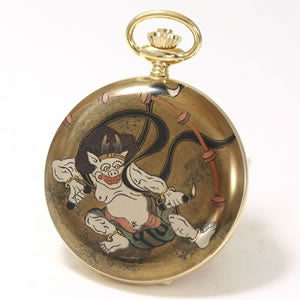
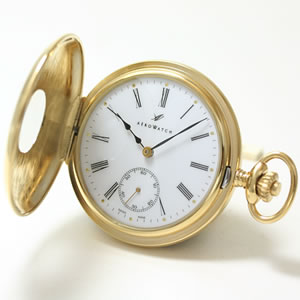
AERO / 100th Anniversary Maki-e Clock / Daisuke Matsuki / Raijin (Soutatsu) / Pocket Watch
AERO / 100th Anniversary Maki-e Clock / Daisuke Matsuki / Raijin (Soutatsu) / Pocket Watch
SKU:55700j5010411152
Couldn't load pickup availability
・1~3日発送:当店に在庫ある商品
・国内在庫:2~7日以内に発送可能な商品
・刻印可能:文字入れが可能な商品
予約・お問い合わせはこちら



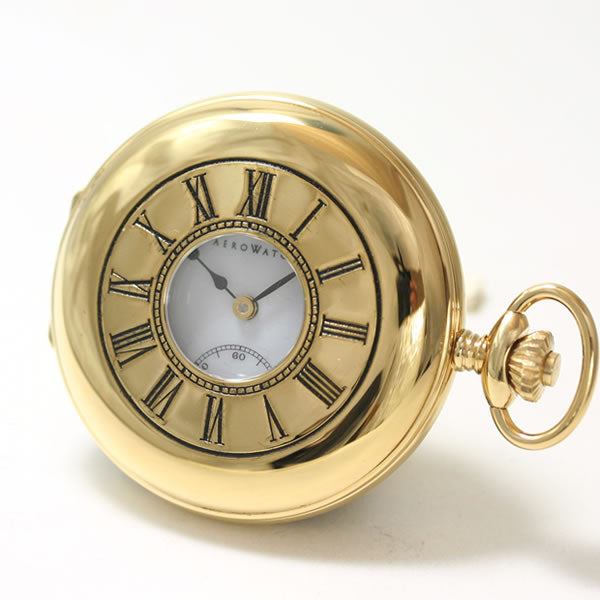
スペック


This piece combines the traditional European craft of clock making with the ancient Japanese technique of maki-e.
To commemorate the 100th anniversary of the founding of AERO, which has been developing its products without change since 1910, a collaboration watch with Maki-e was born as an anniversary model. The Maki-e technique, designated as an Important Intangible Cultural Property of Japan, is beautifully expressed by top craftsmen using first-class techniques.
Each pocket watch is handcrafted, making it the only one in the world.



In 1989, he studied under traditional craftsman Sadahisa Kumano.
1993: The technical acquisition period begins
Independence in 1997
2003: Certified as a traditional craftsman (Minister of Economy, Trade and Industry designation No. 505738)
25th Ishikawa Prefecture Traditional Industry Skills Encouragement Award
39th Shin-in Exhibition Newcomer Award
Selected for the Shin-in Exhibition and four other times
Received the Encouragement Award at the 7th Kenrokuen Grand Tea Ceremony Crafts Exhibition
Received the Hokuriku Shimbun President's Award at the 10th Kenrokuen Grand Tea Ceremony Crafts Exhibition
Selected for the 12th Kenrokuen Grand Tea Ceremony Crafts Exhibition and other events 4 times

The original painting bears neither a signature nor a seal, but is universally considered to be Sotatsu's greatest work. Sotatsu himself was likely drawn to the dynamic human charm of the Kamakura sculpture "Wind God and Thunder God Statue" found at Sanjusangendo Temple when creating this painting. To depict these images, Sotatsu borrowed the image of the thunder god depicted in the "Kitano Tenjin Engi-e" (Kōan-ban version).
There are many theories that this painting was created in his final years, after 1630, but the author would like to date it back to the end of the Genwa period, close to the time of the Yogen-in screen paintings, or at least the beginning of the Kan'ei period, before he was invested with the title of Hokyo.
The style shown in these works shows a shift from the powerful, youthful, and wild style of his late Genna period to a more delicate, lyrical style in 1625, gradually becoming more influenced by imperial tastes. Perhaps these works also represent the process of Sotatsu's transformation into a townsman painter.
When we consider the transition in Sotatsu's style in his later years, the creation of the "Wind God and Thunder God" screen inevitably dates back to a period close to the time when he was creating the Yogen-in screen paintings.
Takeshi Yamakawa


His birth and death years are unknown, but he is said to have been an Edo period painter active mainly from the Keicho to Kan'ei eras (1596-1643). He is also commonly known as Nonomura Sotatsu. There are many biographies about him, including his well-known style and influence on later generations, but at the same time, they are all uncertain, so the truth is unknown.
He was not just a fan painting craftsman, but also has a history of being involved in the restoration of the Heike nokyo (pillared sutras). He is believed to have been active in many areas, including receiving commissions from the Imperial family. Although he was undoubtedly a first-class painter, he was not highly regarded from the late Edo period through the Meiji period, but his reputation was reassessed in the Taisho period and continues to this day.


The Maki-e pocket watch comes with a special hanging cord. Each cord is carefully hand-woven by a traditional Kyoto Nishijin obi-jime craftsman.
The material is dyed raw silk (100% silk) for a luxurious finish. When you hold it in your hand, you can feel the unique softness and suppleness of silk.
It is finished with the famous Kakuyatsu Tatebetsu Shosoin Iri braided cord. The high-quality braided cord, worthy of a watch, adds a Japanese touch to the Maki-e pocket watch, making it even more luxurious.


This is a luxurious masterpiece, entirely handcrafted by lacquerware craftsman Daisuke Matsuki, depicting a painting by Sotatsu, whose history is still shrouded in mystery.
This is a one-of-a-kind pocket watch that exudes the warmth that can only come from being handmade and will become a treasured item for a lifetime.


It is possible to engrave gifts for loved ones or messages to be passed down for generations to come.
Just like the maki-e lacquerware that is handmade by artisans, you can have your original mark engraved on a one-of-a-kind picture, transforming it into an even more valuable, personalized watch.
| Windproof | Mineral crystal glass |
|---|---|
| Case material | 18k gold plated |
| Case diameter | Approximately 49mm |
| Case Thickness | Approximately 12 mm |
| Weight | 76g |
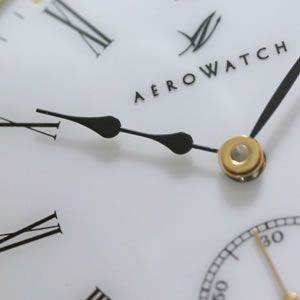
| Movement | Manual winding (ETA/UNITAS Cal. 6498-2) 17 jewels |
| waterproof | non-waterproof |
| Manufacturer's warranty | 2 years (Authorized Aero Watch Dealer) |
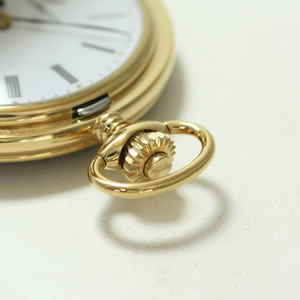
| accessories | Delivered with a dedicated chain, warranty card, instruction manual, and dedicated box |
おすすめ懐中時計用アイテム
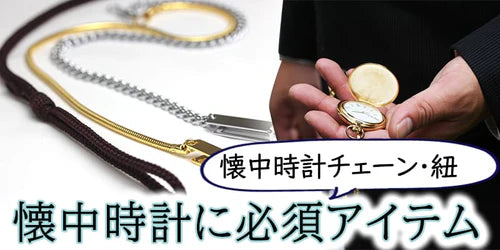
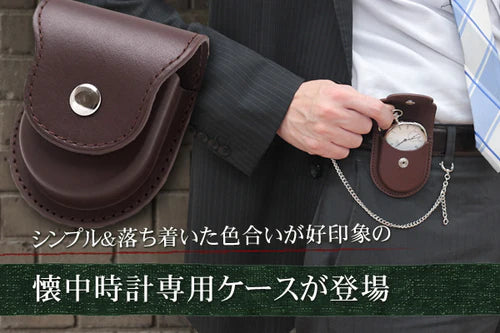
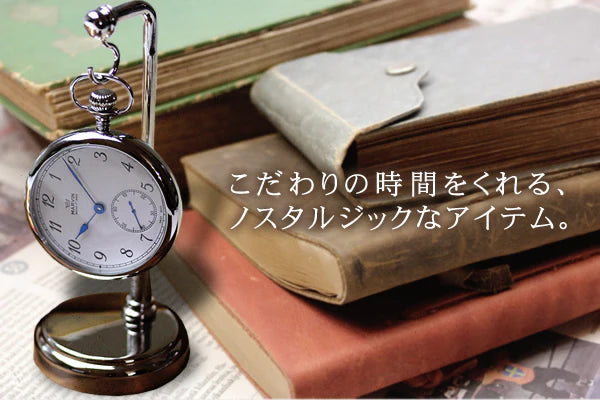

懐中時計の装飾部は若干変更されることがございます
懐中時計は装飾部分が予告無く変更される場合がございます。また、このようなデザイン、ディティールの変更は、品質や機能などに影響はございませんのでご安心くださいませ。
Collapsible content
返品・交換について
発送日確定のご連絡後は、お客様のご都合によるキャンセル・返品・交換はいかなる理由でもお受けできません。
商品到着後、不良品・誤配送があった場合は到着予定日より7日以内にご連絡ください。
詳しくは返品・キャンセルポリシーをご確認ください。
こちらの商品もおすすめです
-
AERO / Silver Plated / 55645AG01 / Pocket Watch
Regular price ¥250,800Regular priceUnit price per -
AERO Cobweb 50829NO01 SQ Skeleton Pocket Watch
Regular price ¥674,300Regular priceUnit price per -
AERO Cobweb 50829AA02 SQ Skeleton Pocket Watch
Regular price ¥688,600Regular priceUnit price per -
AERO Lépine Skeleton Pocket Watch 50829AA04SQ
Regular price ¥660,000Regular priceUnit price per¥0Sale price ¥660,000 -
AERO Cobweb Pocket Watch, Black Skeleton, Manual Winding, 50829NO03SQ
Regular price ¥674,300Regular priceUnit price per¥0Sale price ¥674,300 -
AERO / Silver Color Open Face / Steel Case / Blue Dial / Manual Winding / Pocket Watch / 50832AA01
Regular price ¥220,000Regular priceUnit price per¥0Sale price ¥220,000


